

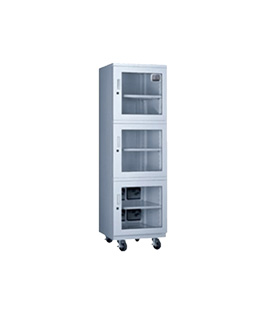
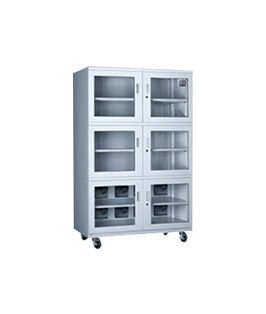
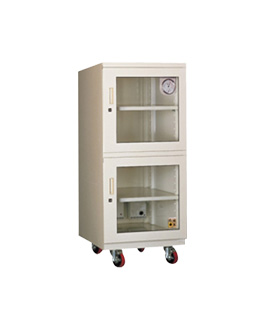
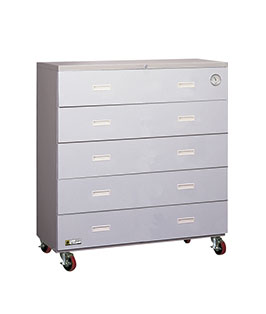
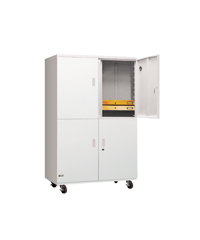
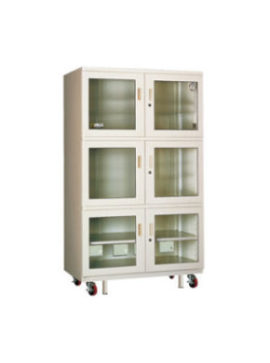
Microscope Dry Cabinets
Why Microscope Storage Matters: Protecting Optical Equipment from Humidity Damage
Microscopes contain delicate lenses, metal joints, and electronic components that are highly sensitive to moisture. In humid environments, these elements can suffer from:
- Mould growth on lenses and internal parts
- Condensation, which causes fogging and reduces visibility
- Corrosion of metallic and electronic components
A microscope dry cabinet provides a controlled environment with stable relative humidity (35%–55%). This prevents moisture from reaching sensitive parts, helping to maintain the precision and clarity of the equipment.
Key Features:
- Auto dehumidification system
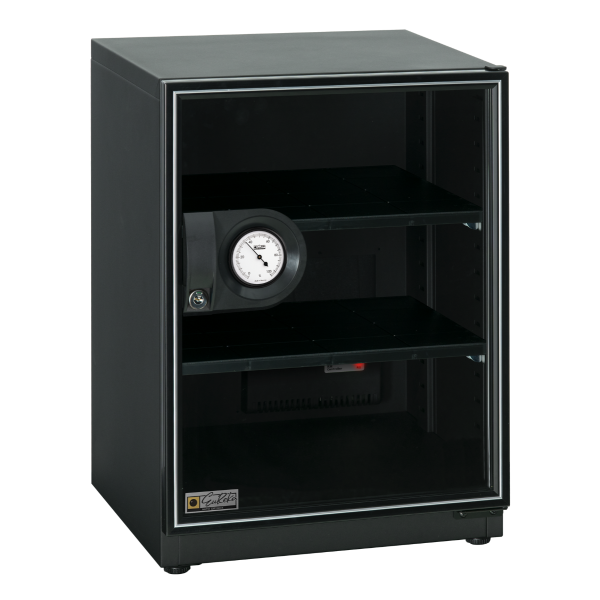
- 2 adjustable metal shelves
- Fully enclosed with airtight seals
- Maintenance-free operation
- No consumables required
Applications:
- Clinical laboratories
- Research and development labs
- Medical device manufacturing
- University science departments
Why It Matters: Reliable storage improves microscope lifespan, reduces repair costs, and ensures equipment is always ready for use.
The Science Behind Microscope Dry Cabinets: How They Extend Equipment Lifespan
Microscopes lose alignment and clarity when stored in uncontrolled conditions. Moisture leads to oxidation of metallic parts and damage to optics. Over time, even minor corrosion can cause performance issues and calibration failures.
Dry cabinets prevent this through:
- Consistent RH regulation that prevents condensation
- Sealed interiors to avoid external air intrusion
- Passive or automatic systems that maintain ideal levels without human intervention
Long-Term Value:
- Prevents breakdowns
- Maintains image quality
- Reduces maintenance frequency
Industries that rely on high-magnification imaging benefit from proper storage more than most. Cabinets ensure tools remain reliable and accurate between uses.
Top 5 Industries That Benefit from Microscope Dry Cabinets
- Healthcare and Diagnostics – Store clinical microscopes and pathology equipment
- Biotechnology – Protect optical instruments used in cell and tissue analysis
- Pharmaceutical QA/QC – Ensure stability of microscopes in cleanroom storage
- Education and Training – Keep teaching instruments safe and operational
- Material Science – Maintain the integrity of high-magnification optical devices
3D Printing Dry Cabinets
Preventing Filament Degradation: The Role of Dry Cabinets in 3D Printing
3D printing filaments, especially those made of PLA, ABS, PETG, Nylon, and TPU, absorb moisture from the air. Even slight humidity can lead to:
- Swollen or brittle filaments
- Inconsistent extrusion
- Layer adhesion problems
- Nozzle clogs
A 3D printing dry cabinet protects filaments by storing them in an RH-controlled environment (typically 25%–50%).
Key Features:
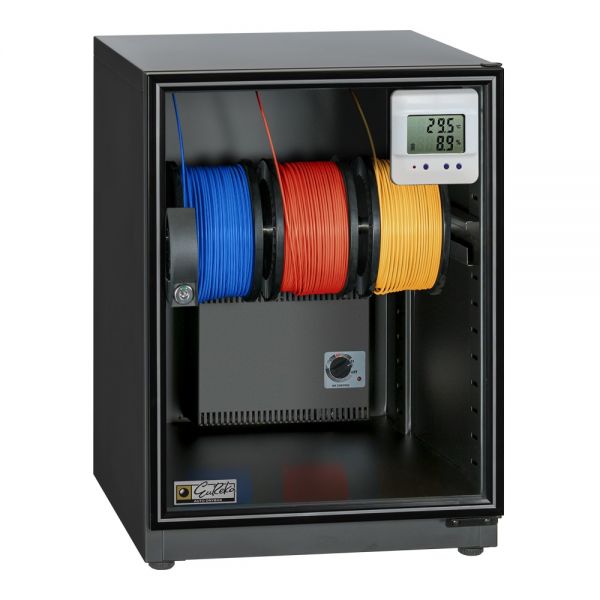
- Multiple spool storage
- Adjustable humidity settings
- Transparent viewing windows
- Built-in dehumidification with fast recovery times
Ideal For:
- Industrial prototyping labs
- Small-batch production sites
- Makerspaces and engineering schools
Benefit: Reduces print failures, improves consistency, and increases material shelf life.
How to Store 3D Printing Filaments Properly: Best Practices Using Dry Cabinets
To maintain filament quality:
- Always store unused reels inside the dry cabinet
- Choose cabinets with spool holders or brackets
- Avoid placing spools in open air between prints
- Use cabinets with fast humidity recovery after door openings
- Select models with clear doors for inventory visibility
Keeping filaments dry ensures better print accuracy, mechanical strength, and surface finish.
Boosting Print Quality by Controlling Moisture: A Guide for 3D Printing Professionals
Moisture causes filaments to bubble and hiss during printing. This leads to:
- Uneven layers
- Stringing
- Weak internal structure
Storing filaments in a dry cabinet helps:
- Maintain mechanical strength
- Produce consistent prints
- Extend usability of open reels
Used By:
- Mechanical engineers
- Automotive prototyping teams
- Architecture firms
- Educational institutions
Laboratory Dry Cabinets
How Dry Cabinets Improve Sample Integrity in Lab Settings
In a laboratory, even slight humidity changes can affect:
- Sample weights
- Chemical reactions
- Data reliability
Dry cabinets regulate RH between 25% and 55%, ensuring all stored items remain stable. Common stored materials include:
- Biological samples
- Analytical reagents
- Microbalance containers
- Precision tools and pipettes
Features:
- Digital humidity display
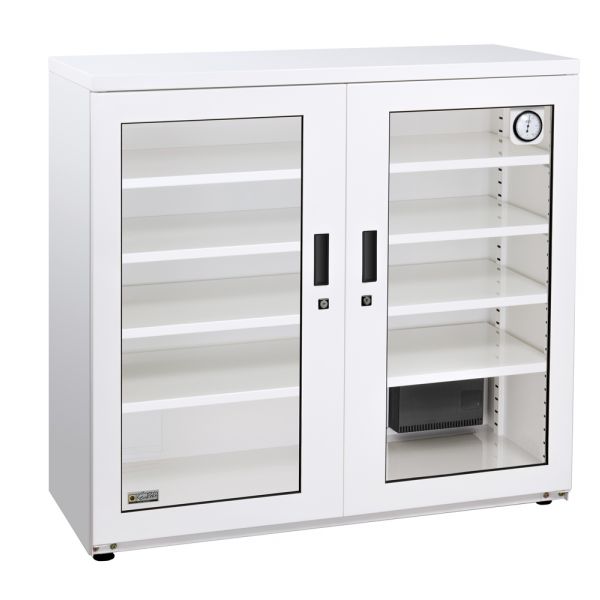
- Adjustable metal shelves
- Lockable design for secure storage
- Quiet, energy-efficient operation
Laboratory Types:
- Chemistry and biochemistry
- Forensic labs
- Quality control departments
- Food science research
Storing Sensitive Lab Instruments: The Case for Dry Cabinets
Instruments like:
- Balances
- Sensors
- pH meters
- Test kits
…can malfunction when exposed to high humidity. Dry cabinets:
- Prevent oxidation
- Keep electronic parts dry
- Ensure measurement consistency
They are also helpful for storage of small tools, glassware, and plastic consumables that may deform under fluctuating humidity.
Dry Cabinets for Biological and Chemical Sample Preservation
Dry cabinets slow down:
- Biological decay
- Volatility of chemicals
- Moisture-driven reactions
They also reduce the frequency of stock replacement and the risk of contamination, especially for:
- Enzymes
- Antibodies
- Lab-prepared reagents
Reliable storage contributes to lab safety, accuracy, and compliance.
ESD Dry Cabinets
Why ESD Dry Cabinets Are Critical for Storing Sensitive Electronics
Moisture and static electricity are the top reasons electronics fail during storage. Components such as:
- Microchips
- Sensors
- Printed circuit boards (PCBs)
…are sensitive to both.
ESD dry cabinets address these risks by:
- Controlling humidity to below 5%
- Using ESD-safe materials and coatings
- Providing fast RH recovery (within 30 mins)
Cabinets are grounded and certified to prevent static build-up.
Protecting Your Components from Static and Moisture: The Dual Role of ESD Cabinets
These cabinets offer dual protection:
- Static control: Anti-static paint, earth grounding, metal body
- Moisture control: Precision RH sensors, automatic regeneration, sealed design
Used in:
- SMT production
- Semiconductor packaging
- Repair facilities
- Cleanroom environments
They help reduce component failure rates, meet regulatory needs, and extend shelf life.
Top Compliance Standards ESD Dry Cabinets Help You Meet
- IPC/JEDEC J-STD-033: For moisture-sensitive devices
- ANSI/ESD S20.20: ESD control for manufacturing
- IEC 61340: Protection against electrostatic discharge
- ISO 14644: Cleanroom compatibility
- RoHS & REACH: Safe material use
Outcome: Safer storage, reduced losses, and full compliance with global regulations